CN
 English
 français
 русский
 español
 português
 ไทย
 Indonesia
 Tiếng việt
 العربية
 فارسی



Medjool dates are known for their large size, soft texture, rich flavor, and premium market value. For date processors and exporters, maintaining consistent quality is essential to protecting product value and meeting customer expectations.
However, black spots, mold-like surface discoloration, skin damage, and other visible defects can affect the appearance and marketability of Medjool dates. When processing large volumes, relying entirely on manual inspection can be time-consuming and inconsistent.
So, how can date processors improve defect detection and sorting efficiency? Automated optical sorting technology offers a practical solution.
1. Why Is Black Mold Detection Important in Medjool Date Processing?
Medjool dates are often sold in premium retail and export markets, where appearance plays an important role in product grading.
Processors may encounter several visible quality issues:
Black spots and dark surface discoloration
Visible mold-like growth
Skin damage and peeling
Cracks and mechanical damage
Insect damage and abnormal appearance
Uneven color and inconsistent maturity
If defective dates are not identified before packaging, they may affect the overall appearance and consistency of the final product.
Effective inspection helps processors improve quality control and reduce the risk of defective products entering premium-grade packaging.
2. How Does an Optical Sorting Machine Detect Visible Defects?
An intelligent date sorting machine uses machine vision technology to inspect dates as they move through the sorting system.
The general inspection process includes:
Step 1: Individual Feeding
Dates are distributed through the feeding system to reduce overlap and allow individual inspection.
Step 2: Image Acquisition
High-resolution cameras capture images of the dates from different viewing angles, depending on the machine configuration.
Step 3: AI-Based Image Analysis
The image processing system analyzes visible characteristics such as color, shape, surface marks, and abnormal appearance.
Step 4: Defect Identification
The system identifies dates that match the configured rejection criteria, including visible black spots, discoloration, skin damage, and other detectable defects.
Step 5: Automatic Separation
The sorting system separates accepted and rejected products according to the selected grading settings.
3. Can an Optical Sorter Identify All Types of Mold?
This is an important question for date processors.
Optical sorting primarily relies on visible surface characteristics. It can help identify certain visible defects, such as dark spots and mold-like surface discoloration, when these defects can be distinguished by the inspection system.
However, an external camera cannot reliably identify mold hidden inside the fruit or contamination that produces no detectable external change.
For food safety, optical sorting should be combined with appropriate raw-material inspection, storage management, hygiene procedures, and other quality-control measures.
4. What Should You Consider When Choosing a Medjool Date Sorting Machine?
Before selecting equipment, processors should evaluate several factors:
Date variety: Medjool dates have different sizes, shapes, moisture levels, and surface characteristics.
Defect types: Identify whether the main concern is black spots, skin separation, cracks, discoloration, or insect damage.
Sorting criteria: Define the required quality grades and rejection standards.
Processing capacity: Consider daily production volume and operating hours.
Inspection requirements: Confirm the camera configuration and inspection coverage required for your products.
Sample testing: Send representative date samples to the manufacturer to evaluate actual sorting performance.
5. VSEE Intelligent Medjool Date Sorting Solutions
VSEE provides intelligent date sorting equipment designed for date processors seeking improved grading consistency and production efficiency.
Our date sorting solutions can be configured according to different raw materials, product characteristics, and customer requirements.
For Medjool date projects, we recommend evaluating actual samples before finalizing the sorting configuration. This helps determine which visible defects can be detected and which grading requirements can be achieved.
Whether you are upgrading an existing date processing plant or planning a new production line, selecting the right sorting solution is an important step toward consistent product quality.
Conclusion
Black spots and visible mold-like defects can reduce the commercial value of Medjool dates. Automated optical sorting helps processors inspect products more consistently and separate detectable surface defects at higher processing efficiency.
The best solution starts with understanding your raw materials, defining your quality standards, and testing the machine with real production samples.
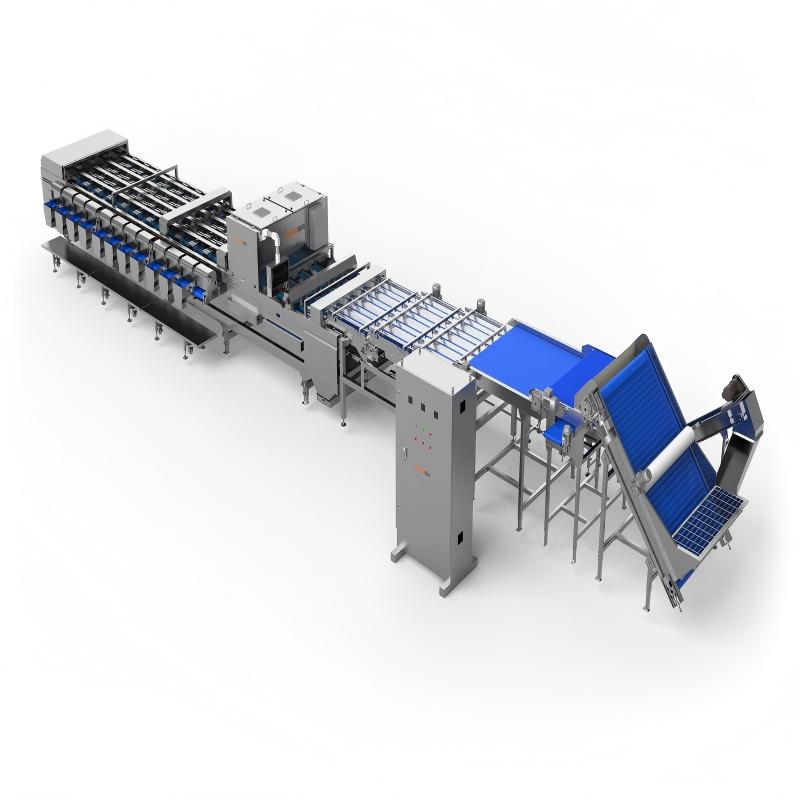
Looking for an intelligent Medjool date sorting solution?
Contact VSEE to discuss your processing requirements and arrange a sample evaluation.
Website: https://www.ahvsee.com
Subscribe & Get More Information
Please read on, stay posted, subscribe, and we welcome you to tell us what you think.

Call Us: +8613655554449


Copyright © 2026 Anhui Vsee Optoelectronic Technology Co., Ltd. All Rights Reserved.
Sitemap
| Blog
| Xml
| Privacy Policy
 Network Supported