CN
CN English
 français
 русский
 español
 português
 ไทย
ไทย Indonesia
 Tiếng việt
 العربية
 فارسی
فارسی


Modern rice processing plants rely heavily on rice color sorter machines to ensure high-quality rice and consistent appearance. By using optical sensors, high-speed cameras, and intelligent software, these machines can detect and remove defective grains, foreign materials, and discolored rice automatically. This article explains how a rice color sorter works, step by step, for beginners and industry professionals alike.
The process begins with feeding rice into the machine using vibratory feeders or gravity hoppers. The goal is to create a single, uniform layer of rice grains for optimal scanning. Uneven feeding may cause misidentification or missed defective grains.
Key points:
Once the rice flows into the sorting section, it is illuminated by powerful LED or halogen lamps. The light source enhances the contrast between normal grains and defective ones, allowing the camera system to detect subtle differences in color, size, or shape.
Key points:
The CCD or RGB cameras scan each rice grain individually at extremely high speeds. The system analyzes color, shape, and size differences. Advanced AI-enabled sorters can also identify chalky, yellow, black, or broken grains that are difficult to detect with conventional systems.
Key points:
Using real-time image processing, the software classifies grains into acceptable and defective categories. Defects may include:
Advanced machines can also differentiate between minor defects and critical defects, ensuring maximum rice quality while minimizing wastage.
Once defective grains are identified, compressed air jets or mechanical actuators remove them from the main flow. The remaining high-quality rice continues downstream to packaging or milling.
Key points:
The sorted rice is collected into separate containers:
This separation ensures that only high-quality rice reaches consumers, enhancing brand reputation and market value.
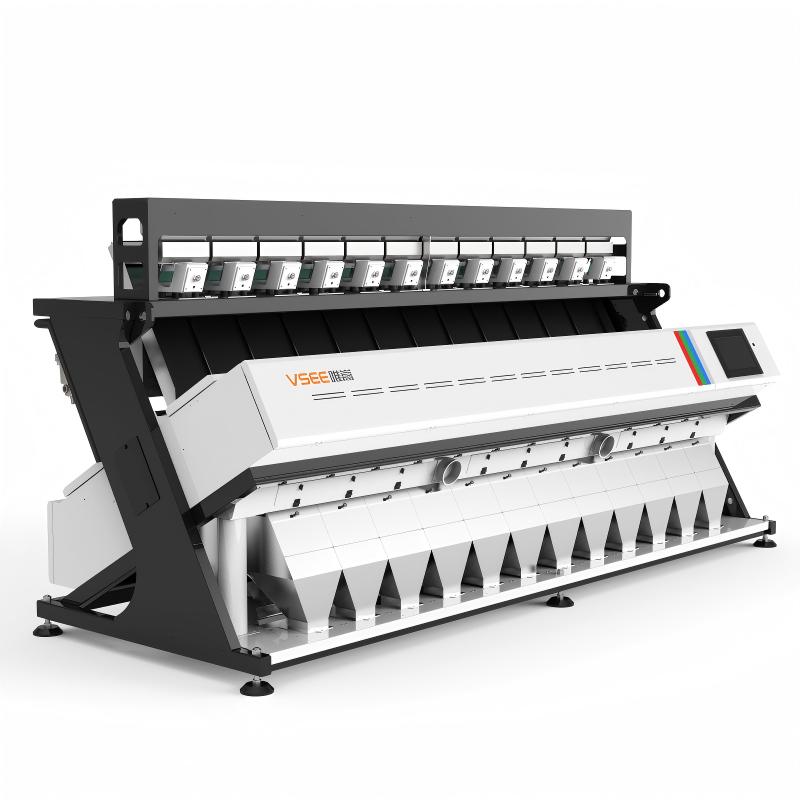
The VSEE Rice Color Sorter Machine combines optical sensors, high-speed cameras, and AI-powered software to deliver precise, efficient, and reliable sorting. By understanding the step-by-step process — from feeding, illumination, optical detection, defect identification, ejection, to final collection — rice processors can optimize production, reduce waste, and improve overall product quality.
For more information about VSEE rice color sorter machines and other sorting solutions, visit: www.ahvsee.com
Subscribe & Get More Information
Please read on, stay posted, subscribe, and we welcome you to tell us what you think.

Call Us: +8613655554449


Copyright © 2026 Anhui Vsee Optoelectronic Technology Co., Ltd. All Rights Reserved.
Sitemap
| Blog
| Xml
| Privacy Policy
 Network Supported